
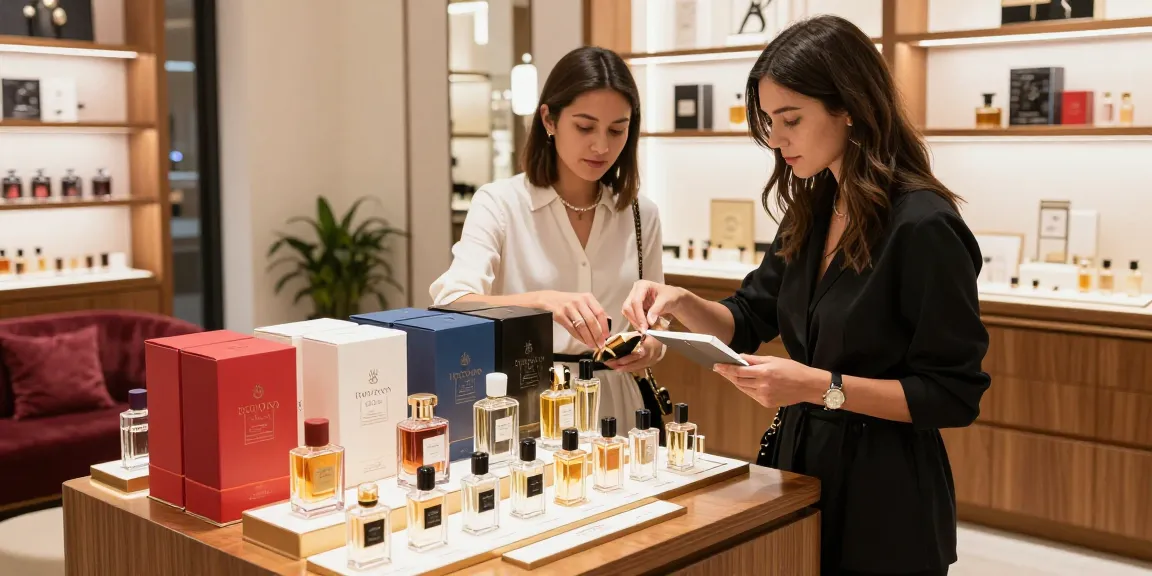
Understanding Fragrance Families: A Deep Dive into Perfume Buying Guide
When embarking on the journey to find your ideal scent, it is essential to recognize the complexity and variety within the world of fragrances. A well-informed approach can significantly enhance your shopping experience. One aspect that stands out in this pursuit is the categorization of perfumes into fragrance families. By understanding these families, you can navigate your options more effectively. For an insightful exploration of your options, Perfume Buying Guide can provide comprehensive insights.
What Are Fragrance Families?
Fragrance families are categories that group perfumes based on their dominant scent characteristics. These families enable consumers to identify fragrances that align with their preferences. The primary fragrance families include:
- Floral: Characterized by the scent of flowers, these perfumes can range from sweet and romantic to fresh and airy.
- Citrus: Bright and refreshing, citrus fragrances typically feature notes of lemon, orange, and grapefruit.
- Woody: These scents evoke the warmth of nature with notes like sandalwood, cedar, and vetiver.
- Oriental: Rich and exotic, oriental fragrances combine spices and resins for a captivating aroma.
- Fougere: Featuring a blend of herbs and wood, fougere perfumes bring a classic and aromatic appeal.
Key Notes to Identify in Perfumes
Within each fragrance family, specific notes play a significant role in shaping the overall scent. Understanding the following aspects can help you choose a perfume that resonates with your olfactory preferences:
- Top Notes: The initial scents that you smell immediately upon application, often lighter and more volatile.
- Heart Notes: The core of the fragrance that emerges after the top notes fade; these notes often define the fragrance’s character.
- Base Notes: The lasting scents that linger on your skin and provide depth; base notes often include rich ingredients like vanilla or musk.
How Fragrance Families Influence Purchasing Decisions
Understanding fragrance families equips consumers to make informed decisions based on personal preferences and the occasions for which they are purchasing. For instance, floral fragrances might appeal to someone looking for a romantic scent, while a woody fragrance may suit a more robust, earthy character. Such insights can streamline the buying process and enhance satisfaction with the final choice.
Choosing the Right Perfume: Essential Steps in the Perfume Buying Guide
Finding the right perfume is both an art and a science, requiring a blend of self-knowledge and willingness to experiment. Here are essential steps to ensure you make a well-informed choice.
Evaluating Your Personal Preferences
The first step in choosing a fragrance is to assess your personal preferences. Consider your lifestyle, the scents you naturally gravitate toward, and how a fragrance resonates with your personality. Do you prefer light, airy scents, or do you lean toward something richer and more complex? Keeping a fragrance journal can be helpful in tracking what you like and how different scents affect you.
Testing Samples: The Best Practices
Sampling is a crucial part of the fragrance-buying experience. Here are some best practices to enhance your sampling technique:
- Use scent strips for a broader range of options; this prevents the overlap of fragrances on your skin.
- Apply perfumes directly to your skin to understand how they develop over time, as the same fragrance can smell different on various skin types.
- Give each fragrance time to settle; avoid judging a scent immediately after application.
Understanding Scent Longevity and Projection
Different fragrance concentrations have varying levels of longevity and projection. As a general rule:
- Eau de Parfum: Offers a stronger scent and lasts longer, typically around 4-8 hours.
- Eau de Toilette: A lighter concentration, lasting about 3-5 hours, suitable for everyday wear.
- Eau de Cologne: A fresher option with a lower concentration, lasting around 2-4 hours.
Understanding these differences can help tailor your choice to the occasion and your personal preferences.
Common Mistakes When Buying Perfumes: Insights from the Perfume Buying Guide
Even experienced fragrance enthusiasts can make mistakes when purchasing perfumes. Here are common pitfalls to avoid that can enhance your buying experience.
Blind Buying: When It’s a Risk
Blind buying, or purchasing fragrances without testing them first, can lead to regrets. While some people may feel confident about a fragrance based on online reviews or recommendations, the reality is that scent is deeply personal and can vary widely from person to person. It’s advisable to always test a perfume before committing to a purchase.
Overlooking Seasonal Suitability
Perfumes can have seasonal associations. For example, heavier, spicy, and warm scents are often preferred in colder months, while lighter, fresher scents tend to be more popular in warmer weather. Be mindful of the season when selecting a fragrance to ensure it complements the environment and occasion.
Ignoring Skin Chemistry Effects
Everyone’s skin has unique properties that can affect how a perfume smells. Factors such as skin type, diet, and even hormonal changes can influence how a fragrance develops on your skin. Be sure to test fragrances on your skin to see how they evolve and whether they align with your expectations.
Utilizing Online Resources: Enhancing Your Perfume Buying Guide Experience
With the rise of digital platforms, shopping for perfume has never been easier. Here are some effective ways to leverage online resources to enhance your perfume buying experience.
Online Reviews and Communities
Before making a purchase, consider checking out online perfume communities and review platforms. These resources can provide valuable insights from other fragrance enthusiasts who share their experiences and detailed descriptions of fragrances, helping to inform your choices.
Fragrance Sampling Services Explained
Many online retailers offer fragrance sampling services that allow you to receive multiple samples before committing to a full-sized bottle. This service can be a cost-effective way to explore new scents without the typical risk of blind buying.
Leveraging Virtual Reality Tools for Fragrance Exploration
As technology advances, some new retailers are implementing virtual reality tools that allow consumers to explore fragrances in an immersive environment. These tools can help you visualize how a scent fits into your lifestyle, enhancing your decision-making process when selecting fragrances.
Future Trends in Fragrance: What to Expect in 2026 and Beyond
The fragrance industry is continuously evolving, with trends emerging that reflect changing consumer preferences and technological advancements. Here are some trends to look out for in the coming years.
Innovations in Eco-Friendly and Sustainable Perfumes
As environmental awareness grows, more brands are focusing on sustainability in their fragrance creation processes. Look for options that prioritize eco-friendly packaging and natural ingredients, providing a guilt-free sensory experience.
The Rise of Custom Fragrances
Personalization has become a key trend across various industries, including perfumery. More brands are offering custom fragrance creation options, where consumers can collaborate with perfumers to develop a scent that reflects their individual tastes and preferences.
Technology in Perfume Personalization
With advancements in technology, tools that analyze your smell preferences and suggest tailored fragrances are becoming more accessible. Expect to see apps and services that allow consumers to share their scent profiles for personalized shopping experiences.
What are the top fragrance notes for summer?
Light and refreshing notes such as citrus, aquatic, and green tea are widely popular during the summer months. These scents provide a cooling effect and are perfect for warm weather.
How can I choose a perfume based on my personality?
Choosing a fragrance that echoes your personality can create a stronger connection to the scent. For instance, adventurous individuals may prefer bold, oriental fragrances, while those with a calming presence might opt for softer floral scents.
What is the difference between Eau de Parfum and Eau de Toilette?
The primary difference lies in the concentration of fragrance oils; Eau de Parfum typically contains a higher concentration, resulting in a stronger scent that lasts longer, compared to the lighter Eau de Toilette.
How do I properly store my perfumes?
To maximize the longevity of your fragrances, store them in a cool, dark place, away from direct sunlight and extreme temperatures, which can alter their chemical structure.
What should I consider when buying designer vs niche fragrances?
Designer fragrances tend to appeal to a broader audience with mainstream appeal, while niche fragrances often offer unique, artisanal scents that cater to specific tastes. Consider whether you are looking for something popular and recognizable or something distinctive and personal.



More Stories
King88 Reality Check: Expectations vs Actual Results – Top Online Shopping Guide 2026
Is Upgrading to Rolex Super Clone Watches Worth It? Data Says Yes
How to Spot Oglinda Baie Scams and Stay Protected in 2026