
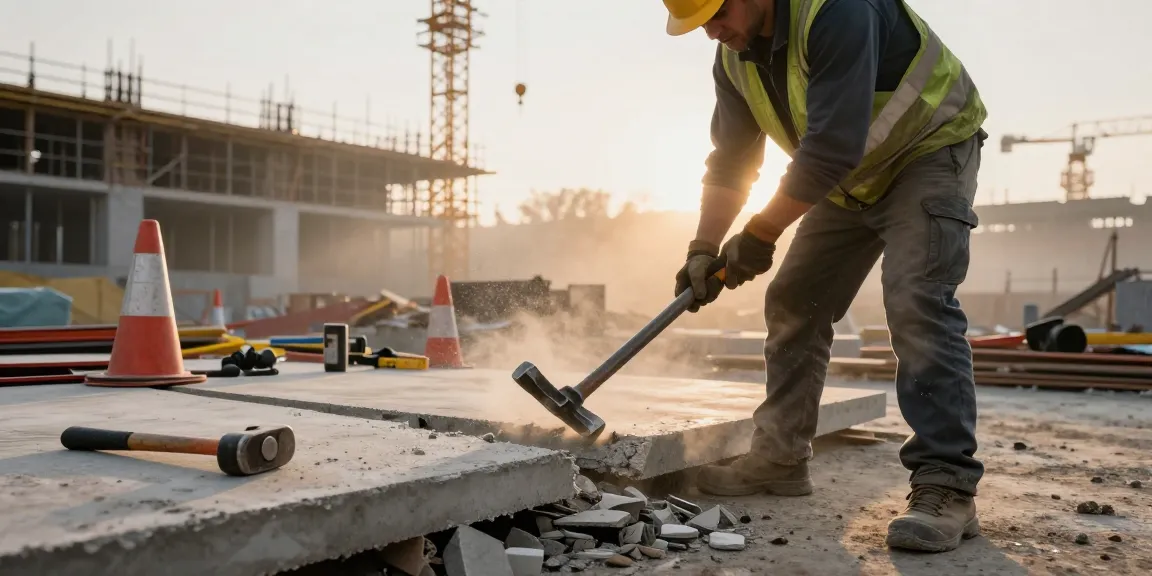
The Basics of the Fubar Wrecking Bar
The fubar wrecking bar, often referred to simply as a fubar, is an essential tool in the demolition and construction industries. It is designed for various heavy-duty applications, ranging from prying and pulling to hammering and lifting. Whether you're a seasoned contractor or a DIY enthusiast, understanding the fubar wrecking bar's features and functions can significantly enhance your toolkit. When exploring options, fubar wrecking bar provide comprehensive insights into effective demolition techniques.
What is a Fubar Wrecking Bar?
A fubar wrecking bar, characterized by its unique shape and robust construction, serves as a multi-functional tool primarily used in construction and demolition. The typical design includes a flat end for prying and a claw for pulling nails, making it versatile for numerous tasks. Unlike other wrecking bars, the fubar's curvature allows for better leverage and control, facilitating more efficient demolition work.
Common Uses and Applications
Fubar wrecking bars are widely used in various applications, such as:
- Demolition: Ideal for breaking down walls, removing flooring, or dismantling furniture.
- Construction: Useful for prying up nails, lifting heavy objects, and assisting in other construction activities.
- Renovation: Essential for tearing out old installations, such as countertops and fixtures.
These applications highlight their versatility and importance in any tool collection, making them indispensable for professionals and hobbyists alike.
Differences Between Fubar and Traditional Wrecking Bars
While traditional wrecking bars are effective for many tasks, they often lack the specialized design of a fubar. The key differences include:
- Shape: The fubar features a curved design that allows for enhanced leverage and easier maneuverability compared to the straight profiles of traditional bars.
- Functionality: The dual-ended design of the fubar, with a flat prying end and a claw, provides broader functionality, catering to tasks typically requiring multiple tools.
- Material: Fubars are generally made from high-quality steel, offering superior strength and durability against wear and tear.
Choosing the Right Fubar Wrecking Bar
When selecting a fubar wrecking bar, several factors come into play to ensure that you choose the right one for your needs. The quality, design, and intended usage significantly impact performance and safety.
Factors to Consider When Buying
- Length: Consider the length that will provide the best leverage for your projects. Longer bars offer greater reach, while shorter ones are easier to handle in tight spaces.
- Weight: Heavier bars can deliver more power, but may also lead to fatigue during extended use. Balance is key.
- Grip: Look for models with ergonomically designed grips that provide comfort and minimize slipping.
Material Quality and Durability
The material used to manufacture the fubar is crucial for longevity and performance. High-carbon steel is often preferred, as it can withstand significant stress without bending or breaking. Additionally, examine any protective coatings that may prevent rusting and enhance the tool's usability over extended periods.
Proper Length and Weight for Your Needs
Selecting the appropriate length and weight of your fubar wrecking bar is vital for achieving optimal performance. A bar that is too heavy may be challenging to control, while one that is too light may not generate sufficient force for tougher jobs. Assess the nature of your projects to make an informed choice.
Techniques for Using a Fubar Wrecking Bar
Knowing how to effectively use a fubar wrecking bar can make a significant difference in your demolition capabilities. Mastering both basic and advanced techniques is essential for safety and efficiency.
Basic Techniques for Demolition
To use a fubar effectively in demolition tasks, consider the following basic techniques:
- Prying: Position the flat end under the object and apply force downward to lift or separate materials.
- Pulling: Use the claw end to remove nails or other fasteners by gripping them and pulling straight back.
- Hammering: The back of the fubar can serve as a hammer for driving in stakes or breaking apart materials.
Advanced Techniques for Difficult Tasks
For more challenging demolition scenarios, advanced techniques can greatly enhance your effectiveness:
- Leverage: Utilize the curvature of the bar to maximize leverage when applying force to stubborn materials.
- Wedge Action: Insert the flat end into gaps to create a wedge effect, splitting apart tightly fitted pieces.
- Precision Prying: By placing the flat end at specific angles, you can carefully pry apart materials without causing unnecessary damage.
Safety Precautions to Keep in Mind
Safety is paramount when using a fubar wrecking bar. Always wear appropriate personal protective equipment (PPE), such as gloves, goggles, and sturdy footwear. Ensure your work area is clear of hazards, and maintain a firm grip on the tool to avoid slips or accidents. Also, assess the stability of any structures before applying force to prevent unexpected collapses.
Maintenance and Care for Your Wrecking Bar
Proper maintenance and care are essential for extending the life of your fubar wrecking bar. Regular upkeep not only ensures longevity but also optimizes performance during use.
How to Clean Your Fubar Wrecking Bar
After each use, clean your fubar wrecking bar to prevent the buildup of debris and rust. Wipe it down with a cloth and, if necessary, use a mild detergent and water. To remove tough stains or rust, consider using a wire brush or sandpaper gently on affected areas.
Storage Tips to Ensure Longevity
Store your fubar wrecking bar in a dry area to prevent moisture-related damage. Hanging it on a tool rack or keeping it in a toolbox will protect it from impacts and other tools that might cause dulling or bending.
Signs of Wear and When to Replace
Be vigilant for signs of wear, which may include visible bends, cracks, or rust. If you notice these issues, it's essential to replace your fubar wrecking bar to ensure safety and efficiency on the job site.
Future Trends in Demolition Tools
The industry is evolving, and trends in demolition tools are leaning toward innovation and improved functionality. The future of tools like the fubar wrecking bar is promising, with advancements on the horizon.
Innovative Designs and Materials Coming in 2026
Manufacturers are increasingly focusing on creating lightweight yet durable materials that enhance performance without sacrificing strength. Innovations such as composite materials and smart technology integration are expected to revolutionize the design of wrecking bars, making them more user-friendly and efficient.
Impact of Technology on Construction Tools
Technology is reshaping the construction industry, and tools like wrecking bars are no exception. The integration of smart sensors that provide real-time feedback on load capacity and usage patterns could enhance safety and efficiency during demolition tasks.
Expert Insights on Next-Generation Wrecking Bars
Experts predict that future wrecking bars will offer features like ergonomic designs tailored to reduce strain and fatigue, as well as customizable options to suit specific job requirements. This will empower users to select tools that best fit their individual preferences and project needs.
What are the Most Common Misconceptions About Fubar Wrecking Bars?
Common misconceptions include thinking that all wrecking bars serve the same purpose and that heavier tools are always better. In reality, the versatility of a fubar wrecking bar stems from its unique design, which offers a balance of weight and functionality for specific tasks.
How Do I Choose the Right Wrecking Bar for My Project?
Choosing the right wrecking bar involves evaluating the specific requirements of your project, including the type of materials you'll be working with, the space available for maneuvering, and any structural considerations. Understanding these factors will help you select a tool that meets your needs effectively.
What Are the Best Practices for Safety When Using a Wrecking Bar?
Best practices for safety include using the correct body posture when applying force, ensuring your working area is free from unnecessary hazards, and regularly inspecting your tool for signs of wear. Additionally, using the right protective gear is crucial to safeguarding yourself during demolition activities.
Can a Fubar Wrecking Bar be Used for Other Applications?
Yes, while fubar wrecking bars are prominently used in demolition and construction, they can also be used in various other applications including landscaping, furniture assembly and disassembly, and even automotive work where prying and lifting are necessary.
How Do I Maintain My Fubar Wrecking Bar?
Maintenance involves regular cleaning, inspection for damage, and proper storage. For more information, Mister Worker offers valuable insights. By keeping your fubar wrecking bar clean and stored correctly, you can extend its lifespan and ensure it remains a reliable tool for all your demolition and construction needs.